Used BMW I8 Review: Is it Worth Buying Today?

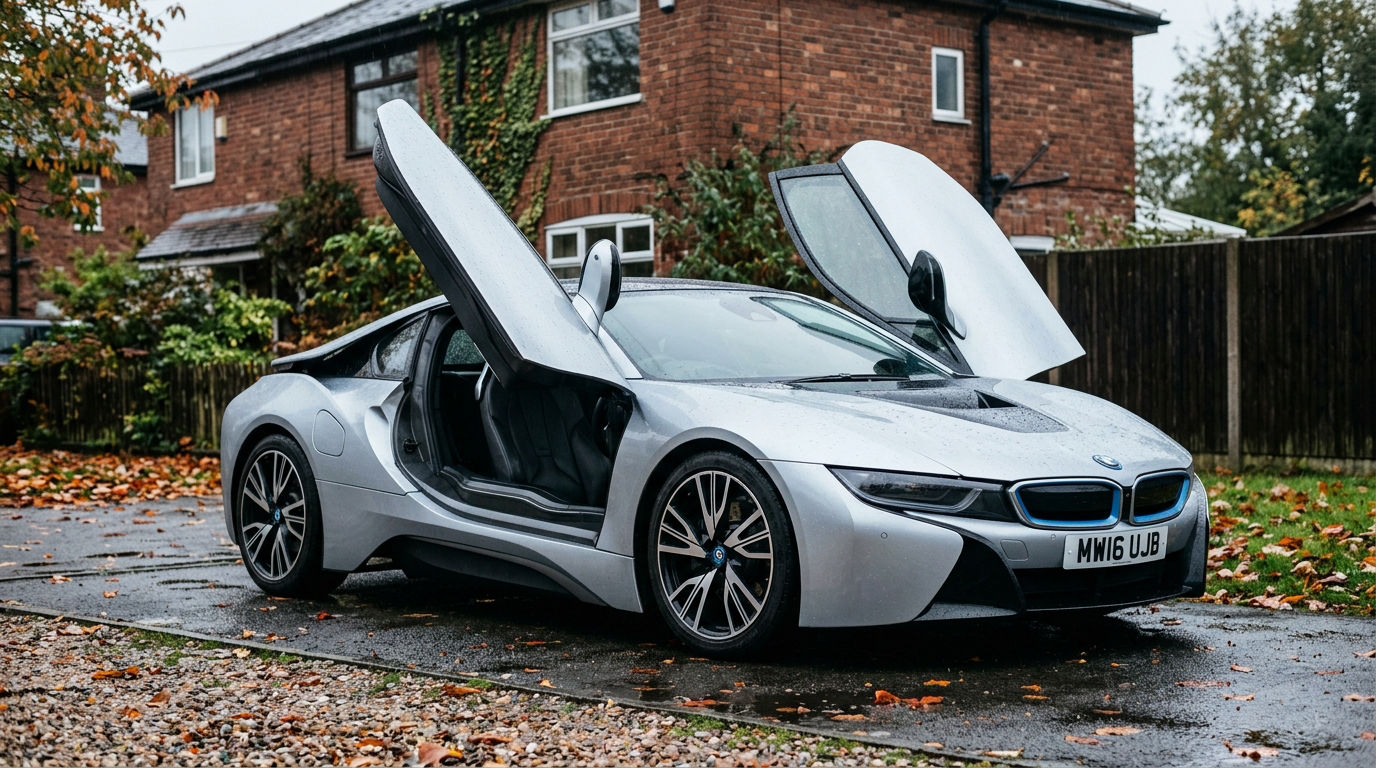
Shopping for a used BMW i8 means looking past the dramatic scissor doors and confronting what this carbon-tub hybrid actually costs to keep on the road. I bought mine brand new from a Manchester dealership, driving it daily on UK tarmac before moving my garage to pure electric. Would I buy one today? Here is my analysis, 10 years on.
At today's used prices between £35,000 and £50,000, you should buy a used BMW i8 if you want genuine supercar presence and sharp off-the-line acceleration for the price of an entry-level executive saloon. But pass immediately if you expect long-distance touring comfort or modern electric commuter range. Most buyers get burned because they treat this car like an eco-commuter instead of a mid-engine weekend exotic with an electric booster motor.
What Living with a Used BMW I8 Actually Costs Today
A clean BMW i8 currently commands between £35,000 and £50,000 on the second-hand market, representing a massive drop from its original six-figure showroom invoice. When I purchased my BMW i8 in Manchester in the UK, the base price stood at £108,000, and I added an extra £25,000 in BMW factory extras, pushing the final invoice to £133,000. Watching that figure fall by over sixty percent stings as an initial owner, but for someone shopping today, that steep depreciation curve alters the math entirely.
Running one today requires understanding that parts and bespoke hybrid components never depreciated alongside the purchase price. Fuel costs remain reasonable if you charge regularly at home, but tyres wear quickly, and any collision damage involving the lightweight carbon architecture will write the car off instantly.
Engine, Electric Performance, and Why Early Hybrid Tech Misleads Buyers
Judging the BMW i8 against the long-range battery metrics of modern electric vehicles fundamentally misunderstands its design. BMW engineered the front electric motor to eliminate turbo lag and deliver immediate all-wheel-drive traction off the line, treating the high-voltage pack as a performance reserve rather than a long-distance electric cruising system.
Under the rear deck sits a mid-mounted 1.5-litre three-cylinder turbocharged petrol engine borrowed from the Mini Cooper, retuned to produce 228 horsepower. Up front, an electric motor drives the front wheels with an additional 129 to 141 horsepower, depending on the production year. Working together, the system produces an all-wheel-drive output that pushes the car from zero to sixty miles per hour in just over four seconds.
The electric motor eliminates turbo lag entirely. The moment you press the throttle, instant electrical torque launches the frame forward while the three-cylinder engine spools up behind your shoulders. It makes an unusual, synthesised thrum that sounds far more aggressive than any three-cylinder has a right to sound. On dry tarmac roads, the power delivery feels clean and urgent.
If you treat the high-voltage pack as a performance reserve to keep the petrol engine in its sweet spot, the car feels rapid and remarkably nimble. If you expect to commute forty miles on electricity alone without the engine kicking in, you will be disappointed within your first twenty minutes behind the wheel.
Servicing Challenges, Specialist Engineering, and Workshop Delays
Routine garage visits for an early hybrid platform can easily trigger unexpected delays and specialist labour charges. Servicing was still expensive even back in 2015 at over £600. Because you had the 1.5-litre engine which requires a regular BMW service combined with the electric motors, in the early days you needed a specialist BMW engineer who charged considerably more than a standard tech. That dual-powertrain arrangement meant the car required typical internal combustion maintenance, such as spark plugs, oil filters, and fluid flushes, alongside high-voltage diagnostic routines.
That led to real problems with my car even though it was under warranty. Often the electric engineers were in short supply, and at times my vehicle was in the workshop for over a week even for just a minor software update. Main dealers had only one or two certified high-voltage technicians on staff, and whenever a hybrid issue surfaced, the queue stretched out the door.
Thankfully today, with EVs being considerably more popular, finding someone who knows the platform is no longer quite as difficult. A healthy network of independent high-voltage specialists now understands the drivetrain, meaning you no longer have to pay extortionate main-dealer labour rates just to diagnose an electrical fault code.
Battery Health and Storage Realities on the Road
Living with an early plug-in hybrid requires disciplined home charging and realistic expectations about physical cabin space. Keeping the high-voltage pack stable required dedicated hardware in the garage, as the BMW came with a plug-in battery charger and monitor ensuring that it stayed in good health.
Taking this car beyond local day trips exposes its sharpest compromises. I never did a long road trip simply because this isn't a car for long road trips. It is a bit of a GT in terms of comfort. But it has absolutely no storage space and the ride is still a little too hard to be traveling long distances with my terrible back. If you are looking for a long distance cruiser, you are definitely in the wrong place.
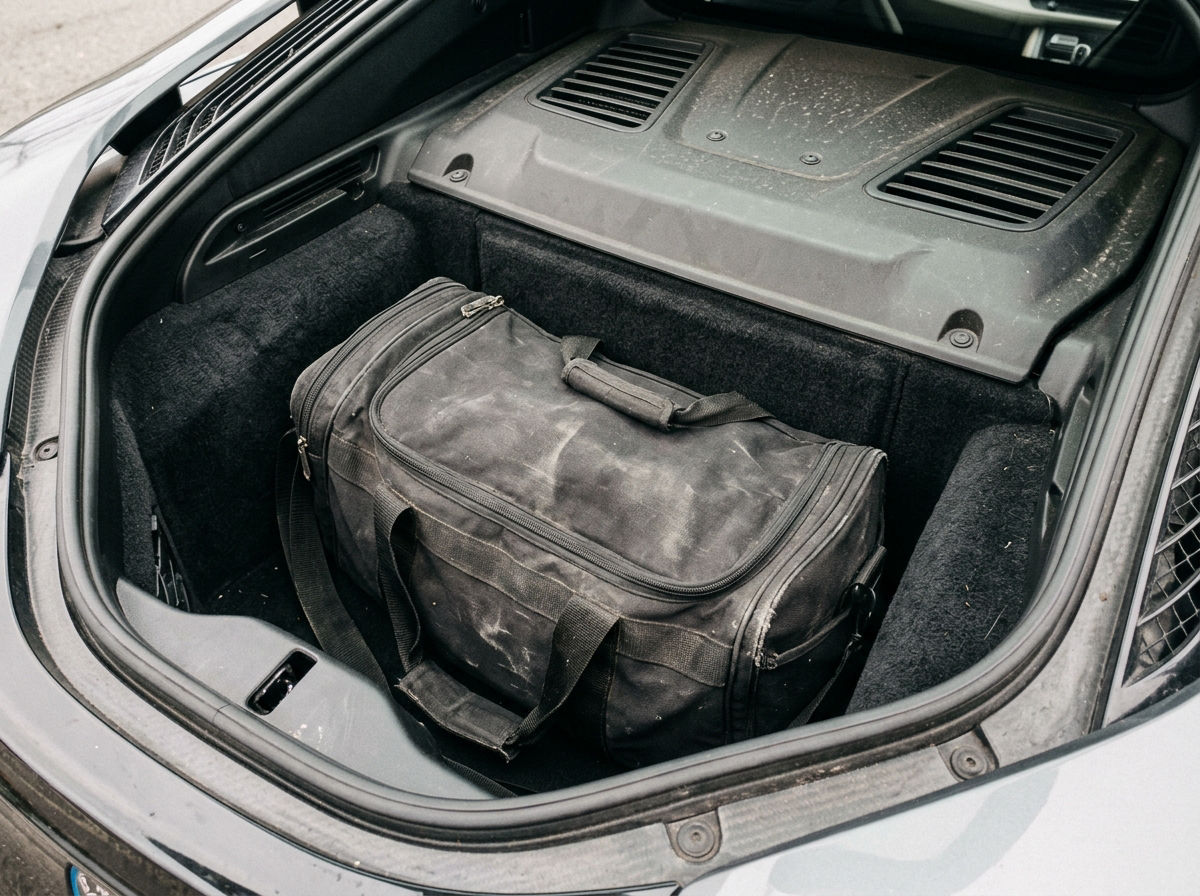
The boot space behind the engine is tiny, gets uncomfortably warm from exhaust heat, and will barely hold a soft duffle bag. The two rear seats are essentially upholstered parcel shelves that cannot fit an adult, and the firm suspension transmits every pothole through the carbon frame.
Supercar Presence Versus Modern Alternatives
People say that the i8 isn't really a supercar. Technically they're right, because it doesn't have a V8 engine, and there's no noise drama when you push the accelerator. But it does a lot of other things right. Supercars are built to be fast and dramatic, and this car certainly doesn't lack on speed, while the looks are some of the most dramatic out there. In my experience, this is a real supercar even if it doesn't have a V8, because there's plenty of cars out there with V8s that definitely are not supercars.
At this £35,000 to £50,000 bracket, your obvious petrol alternative is a 991-generation Porsche 911 Carrera, while the left-field grand tourer choice is a Lexus LC 500. The Porsche offers vastly superior steering feel, luggage room, and everyday mechanical reliability, but blends into every city car park. The Lexus brings a glorious atmospheric V8 and a sumptuous leather interior, but weighs over two tonnes. The BMW i8 sits between them: it lacks the 911's tactile road connection and the LC 500's effortless highway compliance. But delivers visual drama and butterfly-door theatre neither rival can touch for under £100,000.
| Feature | BMW i8 | Porsche 911 Carrera (991) |
|---|---|---|
| Powertrain | 1.5L Turbo 3-Cyl + Front Electric Motor | 3.0L Twin-Turbo Flat-6 |
| Visual Drama | Dihedral butterfly doors, carbon-tub aero | Traditional sports coupe profile |
| Practicality | Heat-prone 154L rear cubby, +2 parcel shelf | Usable 145L front boot + folding rear seats |
| Used Entry Price | £35,000–£50,000 | £45,000–£60,000 |
| Build Quality | Exotic carbon architecture | High-volume production standards |
| Straight-Line Speed | Moderate sports performance | Blisteringly fast acceleration |
If you want the traffic-stopping architecture of a supercar without spending millions, you have to accept a hybrid powertrain.
Buyer's Guide & Final Verdict
The BMW i8 remains an exotic design triumph with an accessible entry price, provided you treat it as a weekend toy rather than a daily utility vehicle. Buying one second-hand brings a vehicle that cost £133,000 new down to between £35,000 and £50,000. I would buy this car if you want a reliable weekend sports car with dramatic scissor doors and nimble handling on dry roads for the price of an ordinary saloon, and skip it entirely if you need a comfortable grand tourer for road trips, require usable luggage space, or expect the zero-emissions range of a modern electric vehicle.
- Service history: Verify that independent hybrid specialists have maintained the electrical powertrain rather than relying solely on main dealer stamps.
- Battery health: Confirm the high-voltage pack has been monitored and kept balanced using the factory plug-in charger.
- Practicality check: Test fit your actual luggage into the tiny rear compartment before buying to ensure it clears the engine heat.
- Ride quality: Take a long test drive on broken road surfaces to make sure the firm frame tuning suits your back.
Pros & Cons
Pros
- Visual impact: Unmistakable supercar lines and dihedral butterfly doors that turn heads everywhere.
- Drivetrain response: Instant electrical torque that eliminates low-rpm turbo lag off the line.
- Running economy: Reasonable fuel consumption on daily short trips when home-charged consistently.
Cons
- Storage constraints: Extremely limited boot space that absorbs exhaust heat from the engine.
- Maintenance complexity: Specialized high-voltage servicing that requires certified technician knowledge.
- Cabin comfort: A stiff suspension setup and cramped rear seats that punish long-distance touring.
FAQ
Can you use a used BMW i8 as an everyday commuter car?
You can drive it daily if your commute is short and you can charge at home regularly. However, the stiff ride, tiny luggage space, and low seating position make it far better suited as a weekend toy rather than a practical daily driver.
How reliable is the hybrid powertrain on an older BMW i8?
The mechanical components are generally robust, but the early high-voltage electronics require specialist attention. Finding an independent hybrid technician who knows the platform is essential to keeping maintenance bills manageable.